



As technology reshapes the retail landscape, unmanned supermarkets are moving from concept to reality. Behind this, a crucial technology—RFID—acts as the “eye of intelligence,” the cornerstone of efficient unmanned supermarket operations.
How it works:
1. Tag Binding: Giving Every Item a “Digital ID”
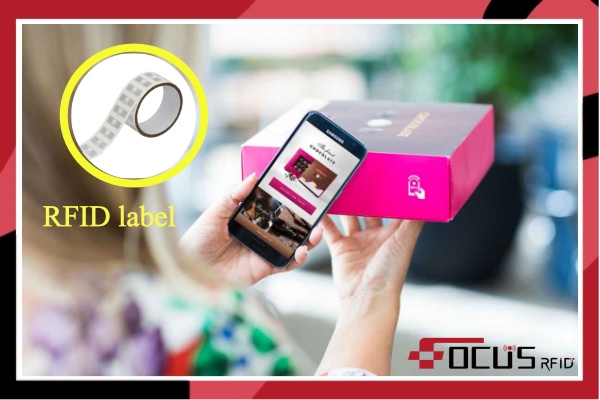
Before a product is put on the shelf, every item (from a can of Coke to a piece of clothing) is affixed with an RFID label. This label, embedded with a microchip and antenna, stores product information such as SKU, price, and production date. Unlike traditional barcodes, RFID labels can be read remotely and in batches without requiring precise alignment.
2. Self-Checkout: Making Shopping Easier and More Convenient
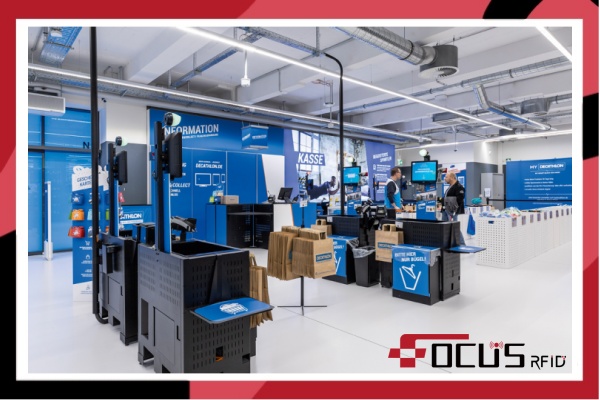
RFID Self-Checkout Station: This station reads RFID labels on items in batches and uses an integrated touchscreen for quick checkout. Through self-service, efficiency is improved, the payment process is accelerated, and the waiting time is reduced.
3. Assisted Theft Prevention: Reduces the risk of lost goods.
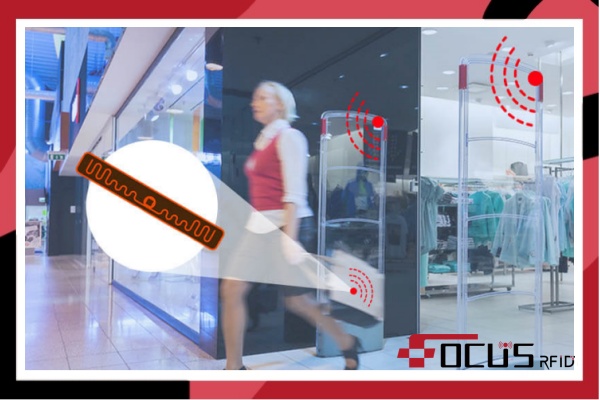
An RFID gate antenna is installed at the store exit. If unsettled goods are taken out, the antenna will sound an alarm to ensure transaction security.
The combination of RFID technology and unmanned vending machines represents the retail industry’s deep evolution towards digitalization and intelligence, creating ultimate shopping efficiency and a seamless consumer experience
Post time: Oct-21-2025


