



In today’s fast-paced life, the cleaning and management of textiles has become an indispensable part of industries such as hotels, hospitals, and laundries. How to efficiently and accurately track the cleaning process of each textile item to ensure hygiene quality and lifespan has become a focus of attention both within and outside the industry. The application of RFID laundry tags has brought a revolutionary solution to textile management.
Smart ID Cards for Textiles
RFID laundry tags are special tags with built-in chips that can be embedded in textiles such as clothing, sheets, and towels, serving as a “smart ID card” for each item. The tag can store basic information about the textile, such as material, production date, and cleaning requirements. More importantly, it can record each cleaning process, including key data such as cleaning time, temperature, and detergent used.
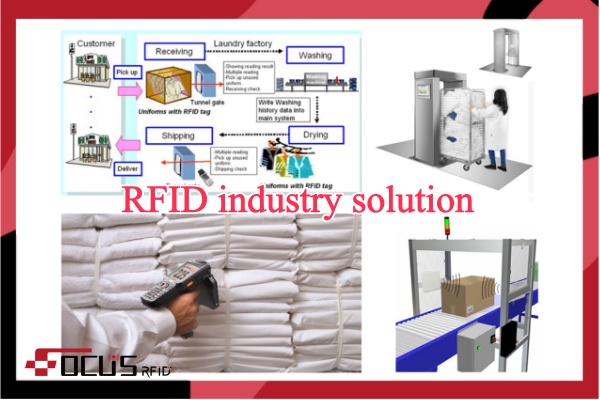
Meeting Personalized Customer Needs
Different industries and different textiles have different requirements for RFID laundry tags. From tag size and material to storage capacity, from temperature and water resistance to chemical corrosion resistance, we can provide customized RFID industry solutions.
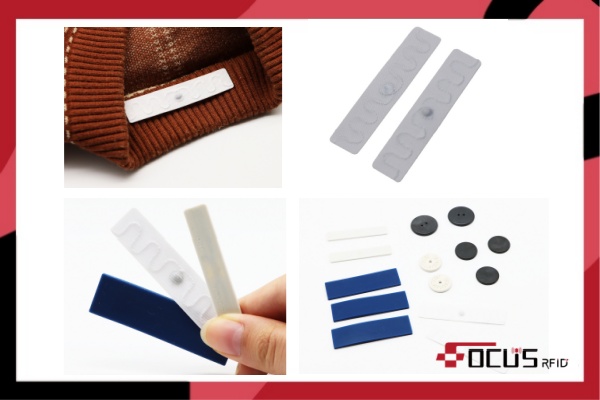
Wide Range of Applications, Enhancing Management Efficiency
In the hotel industry, RFID laundry tags, combined with handheld reader, help managers quickly inventory linens, track their washing and replacement, and improve customer satisfaction. In hospitals, laundry tags ensure that medical textiles are washed and disinfected in accordance with hygiene standards, preventing cross-infection. In laundries, tags can be used with RFID fixed readers to automate sorting and counting, significantly improving work efficiency.

Future Outlook: The Limitless Possibilities of RFID Technology
With the continuous development of technologies such as the Internet of Things and big data, the application prospects of RFID laundry tags will be even broader. In the future, it is expected to integrate with more intelligent systems to achieve intelligent management of textiles throughout the entire process. For example, by combining with intelligent warehousing systems, it can achieve automatic warehousing, outbound, and inventory of textiles; by connecting with data analysis platforms, it can provide managers with more accurate decision support.
Post time: Nov-03-2025


