



With the rapid development and application of RFID technology across various major industries, the logistics and supply chain sector is poised to undergo profound changes, significantly enhancing the efficiency and transparency of supply chain management. The rapid advancement of fields such as e-commerce and the Internet of Things (IoT) undoubtedly serves as the primary driving force behind warehousing and logistics; consequently, warehouse management models are now trending firmly toward intelligent automation. RFID technology will substantially elevate the standard of warehousing and logistics management while simultaneously accelerating the development of information systems within this domain.
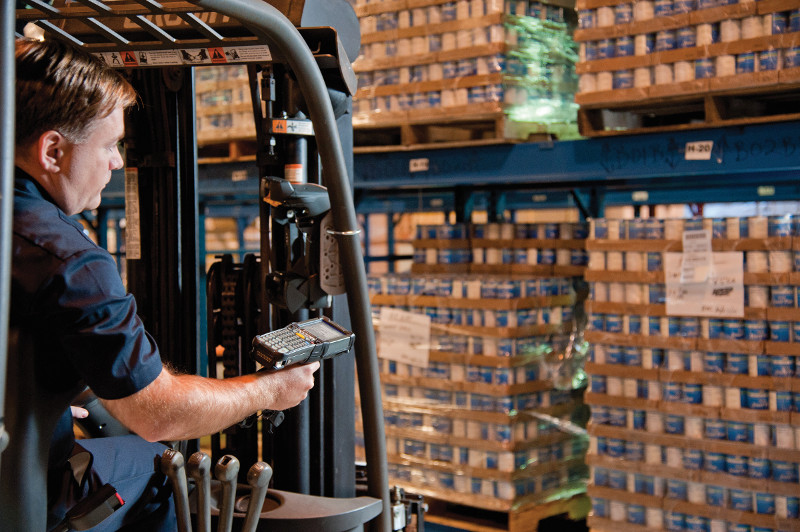
RFID-based warehouse management encompasses a comprehensive suite of operations, including inbound inspection, storage, outbound dispatch, distribution, and inter-warehouse transfers—all powered by the application of RFID technology. By automatically capturing data across every operational stage—such as inventory management—this system enhances the speed and accuracy of information flow throughout the warehouse, thereby enabling enterprises to manage their stored goods with greater intelligence and efficiency.
Warehousing has historically played a pivotal role within logistics systems. With the rapid advancement of modern logistics, increasingly rigorous demands are being placed on warehouse operations—specifically regarding inbound receiving, outbound dispatch, internal transfers, inventory counts, and product inquiries. Modern warehousing entails far more than merely processing the simple batch movements of goods; it requires the creation of precise database records detailing each item’s category, quantity, manufacturing attributes, and specific storage location. This ensures that accurate product data and comprehensive supply chain information are readily accessible at every stage of the logistics pipeline.
As a widely adopted information technology tool within the logistics sector, RFID handheld terminals enable direct scanning and data capture from RFID electronic tags. They handle the high-volume flow of inbound and outbound goods with effortless efficiency, significantly boosting warehouse throughput. Furthermore, these devices guarantee the accuracy and reliability of recorded data by eliminating the need for manual documentation; instead, they utilize barcode scanning to directly register goods during receiving, dispatch, and inventory counts. Ultimately, this empowers enterprises to reduce labor costs within their logistics and warehousing systems, thereby generating higher returns on investment.
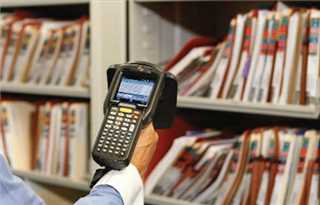
Inbound Management: Each incoming item is scanned using a handheld PDA device, and the corresponding data is recorded in the central database.
Outbound Management: Scanning the outbound barcode automatically displays the item’s name and storage location, allowing for verification and confirmation.
Transfer Management: When goods are moved from one location to another, the handheld device is used to scan the barcodes, automatically updating the item’s new location within the database.
Inventory Management: After scanning a specific storage location with the handheld PDA, the device automatically displays the expected item names and quantities; the operator then scans the actual item barcodes to verify that the correct goods are present in that specific location.
Item Lookup: Operators can enter an item’s identification number into the handheld device to instantly retrieve and display its current storage location and associated barcode information.
The RFID intelligent handheld terminal is a portable, wireless device that seamlessly integrates RFID radio-frequency technology with data terminal capabilities. Characterized by large-capacity storage, extended battery life, and a variety of communication and expansion interfaces—along with hardware modules that can be configured to meet specific requirements and software that is fully customizable to user needs—this solution is widely applied across various stages of warehouse management, including inbound receiving and verification, shelving, inventory counting and auditing, outbound dispatch, and information retrieval. It resolves the time-consuming and labor-intensive challenges associated with locating specific items, enabling rapid inventory verification and significantly reducing the time warehouse personnel spend on stocktaking. Furthermore, it eliminates the inefficiencies and susceptibility to errors—regarding both item type and quantity—that often plague inbound and outbound logistics operations.
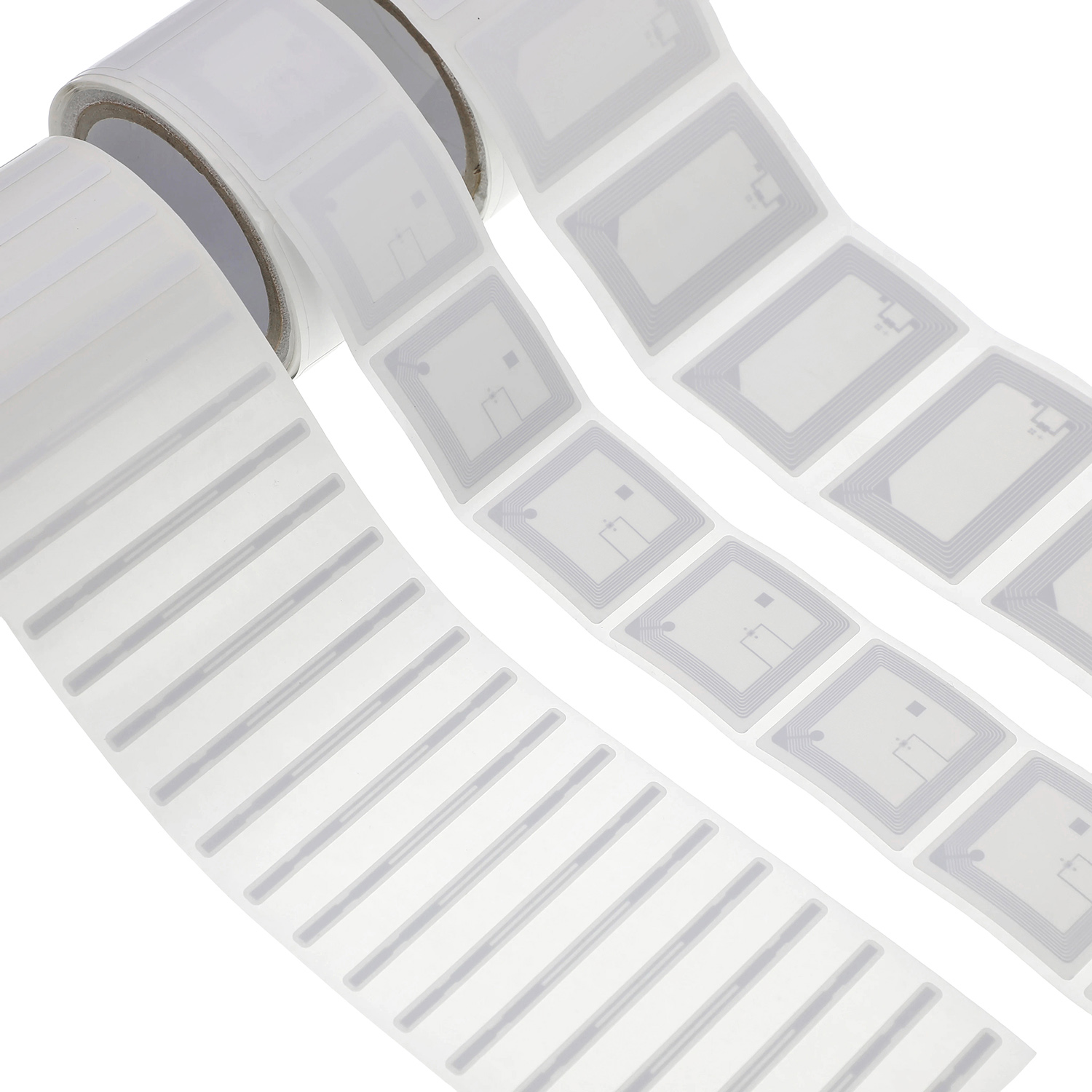
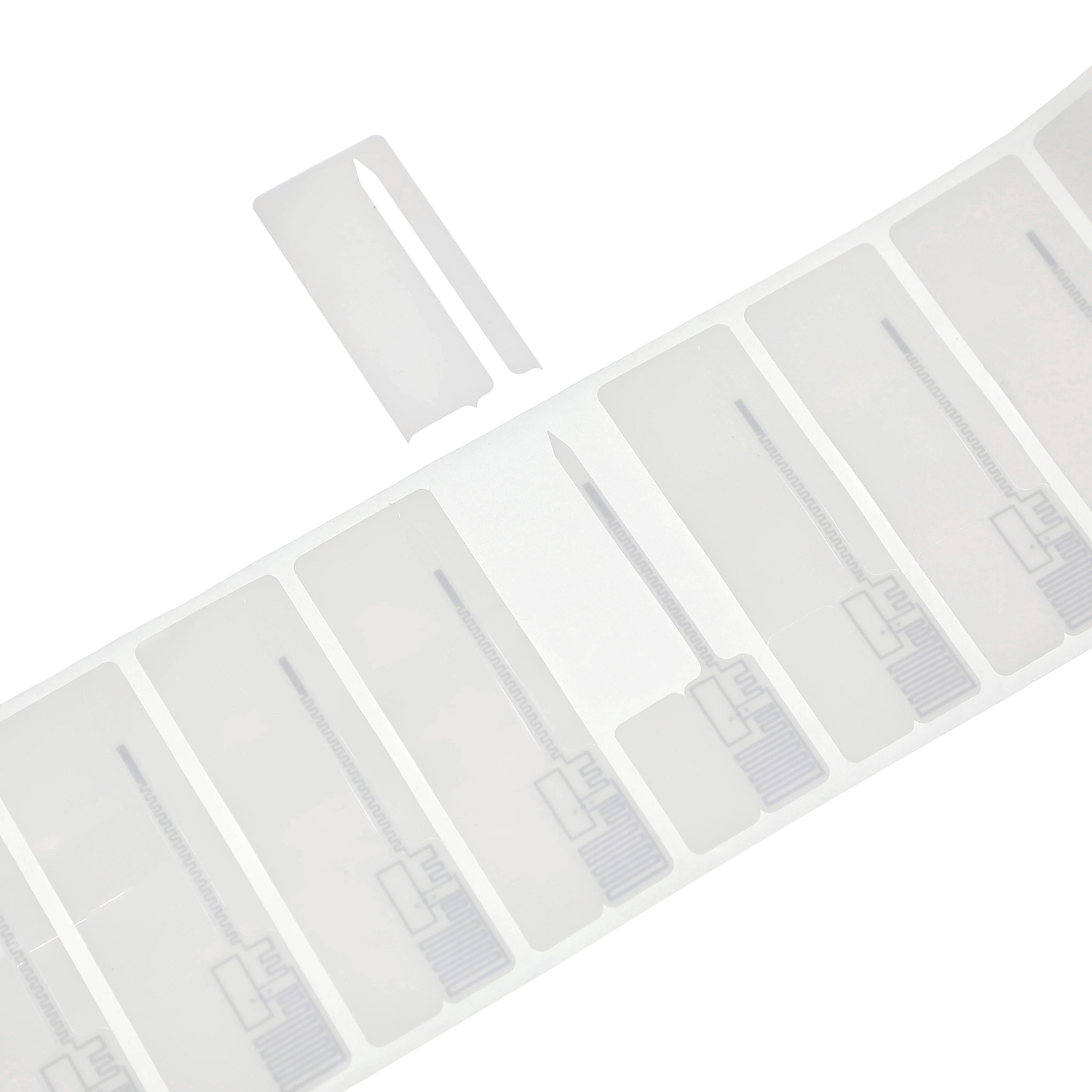
The miniaturization and diverse form factors of RFID electronic tags streamline the management of warehouse inventory. Typically affixed to the packaging of individual items or to pallets, these tags store detailed information regarding the goods and their specific storage locations. As items move through various stages within the warehouse, relevant data is automatically captured and recorded. This effective management of packaging and handling operations minimizes losses; moreover, it facilitates the recording of product quality data throughout every stage of the production process and enables the quick, simple, and efficient replacement of electronic tags when necessary.
Leveraging a wireless network environment and integrated with backend warehouse management software, the handheld RFID smart reader terminal enables the precise statistical tracking of item quantities and storage locations. It facilitates the accurate management of every step in the warehouse lifecycle—from inbound receiving to outbound dispatch—for each individual item. This approach to inventory auditing results in substantial savings in both labor and time, thereby significantly enhancing overall management efficiency. The automated data capture capabilities of RFID technology facilitate more effective quality oversight, enabling end-to-end tracking of inventory logistics throughout the entire supply chain. This ensures rapid and accurate inventory auditing while simultaneously boosting the overall transparency of the enterprise’s logistics operations, ultimately realizing a warehouse management system that is fully digitized, scientifically structured, and highly precise.
Post time: Apr-27-2026


