



With the development of animal husbandry, animal management has become increasingly important. Traditional animal identification methods can no longer meet the needs of modern animal husbandry. As an emerging identification technology, RFID animal ear tags are gradually attracting more and more attention and love with their unique advantages.

RFID animal ear tags are electronic devices dedicated to animal identification and management, similar to the electronic ID card of animals. Each animal corresponds to an animal ear tag, and the animal can be identified and managed through an RFID reader. The electronic ear tags that animals can wear are divided into low-frequency ear tags (125kHz/134.2kHz) and ultra-high frequency ear tags (865-928MHz). These ear tags have built-in electronic chips and antennas to carry individual livestock information.

The following are the advantages of RFID technology over traditional barcodes:
1. Fast scanning: RFID readers can identify and read multiple RFID tags at the same time.
2. Miniaturization and diversified shapes: RFID tags are not limited by paper size and are more suitable for embedding or attaching to products of different shapes and types.
3. Anti-pollution and durability: RFID has strong corrosion resistance to substances such as water, oil and chemicals.
4. Reusable: The data stored in the RFID tag can be dynamically updated, recycled and used multiple times.
5. Penetration and barrier-free reading: RFID readers can penetrate non-metallic and non-transparent materials, and the reading distance is longer.
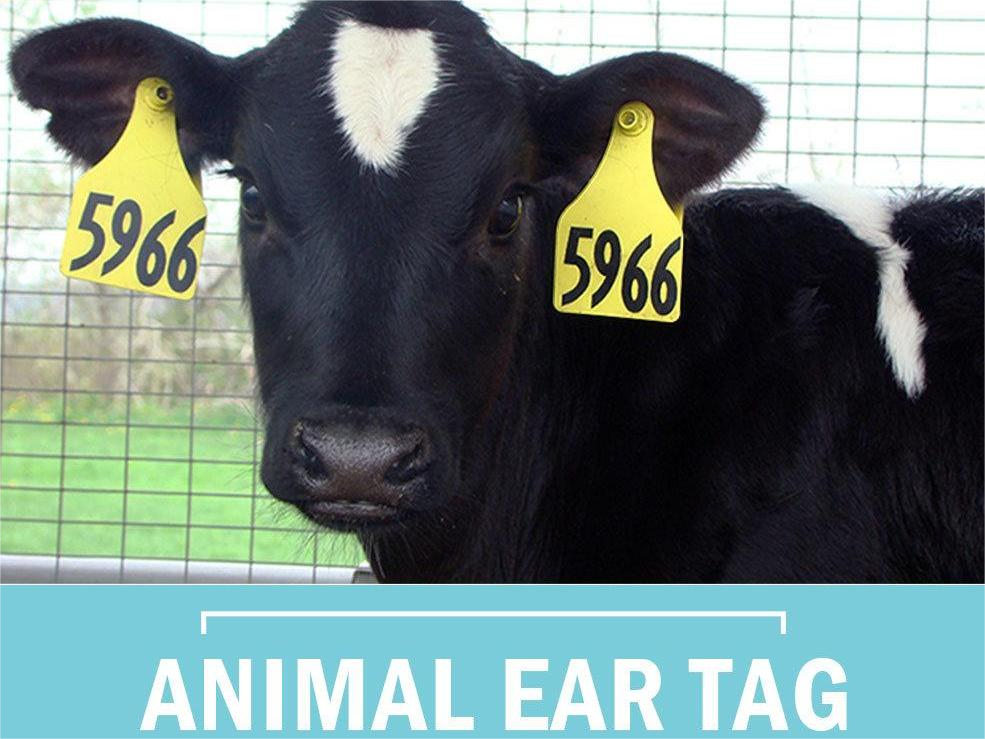
In animal management, the application scenarios of RFID technology include:
1. Animal and animal product traceability: The data stored in RFID electronic tags is not easy to change and lose, so that each animal has an electronic ID card that never disappears. This helps to trace important information such as the breed, source, immunization, treatment and medication of the animal, as well as the health status.
2. Daily management of livestock: RFID tags can be used for animal identification, disease monitoring, quality control and animal breeds, and are an effective way to track animal health and control animal epidemics.
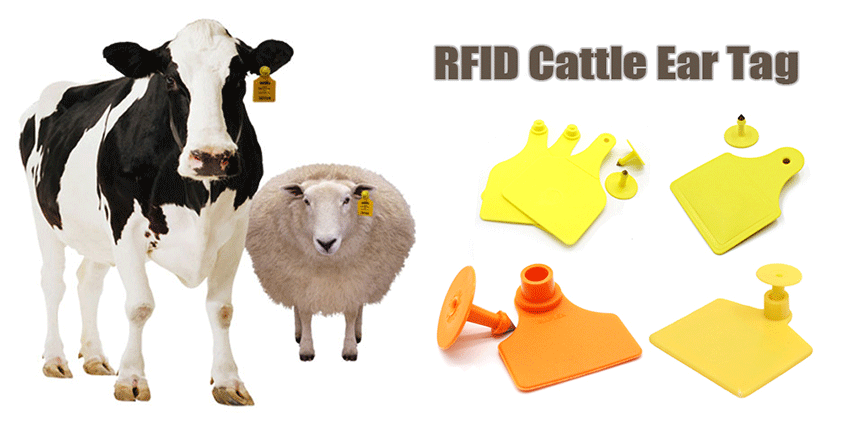
3. Zoos and wildlife protection: In the field of zoos and wildlife protection, RFID animal ear tags can help managers better understand the living habits and health status of animals, and provide strong support for animal protection and breeding.
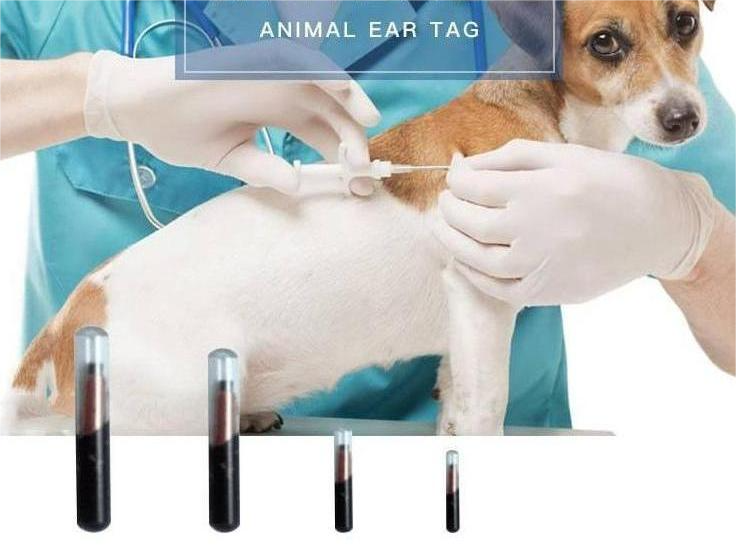
4. Pet management: RFID tags (ear tags, bioglass tags) can easily record pets’ identity information, vaccination status and other information, making pet management more convenient and secure.
With the development and application of Internet of Things technology, RFID animal ear tags will play a more important role in the future. It can not only improve the efficiency and quality of animal management, but also provide more possibilities and opportunities for animal health and ecological protection.
We believe that in the near future, RFID animal ear tags will become an important milestone in the field of animal management!
Post time: Jul-14-2025


