



As the warehousing and logistics industry shifts toward digitalization and automation, RFID portal gates—serving as highly efficient data collection tools—are increasingly becoming a standard feature of modern warehouse inbound and outbound management. To help you better understand this technology and determine whether it can resolve common warehouse pain points—such as difficulty locating goods, slow inventory counts, and errors in inbound/outbound processing—we have compiled and answered 15 key questions regarding the application of RFID portal gates in warehouse inventory management.
Fundamentals
1. What is an RFID portal? What role does it play in warehouse management?
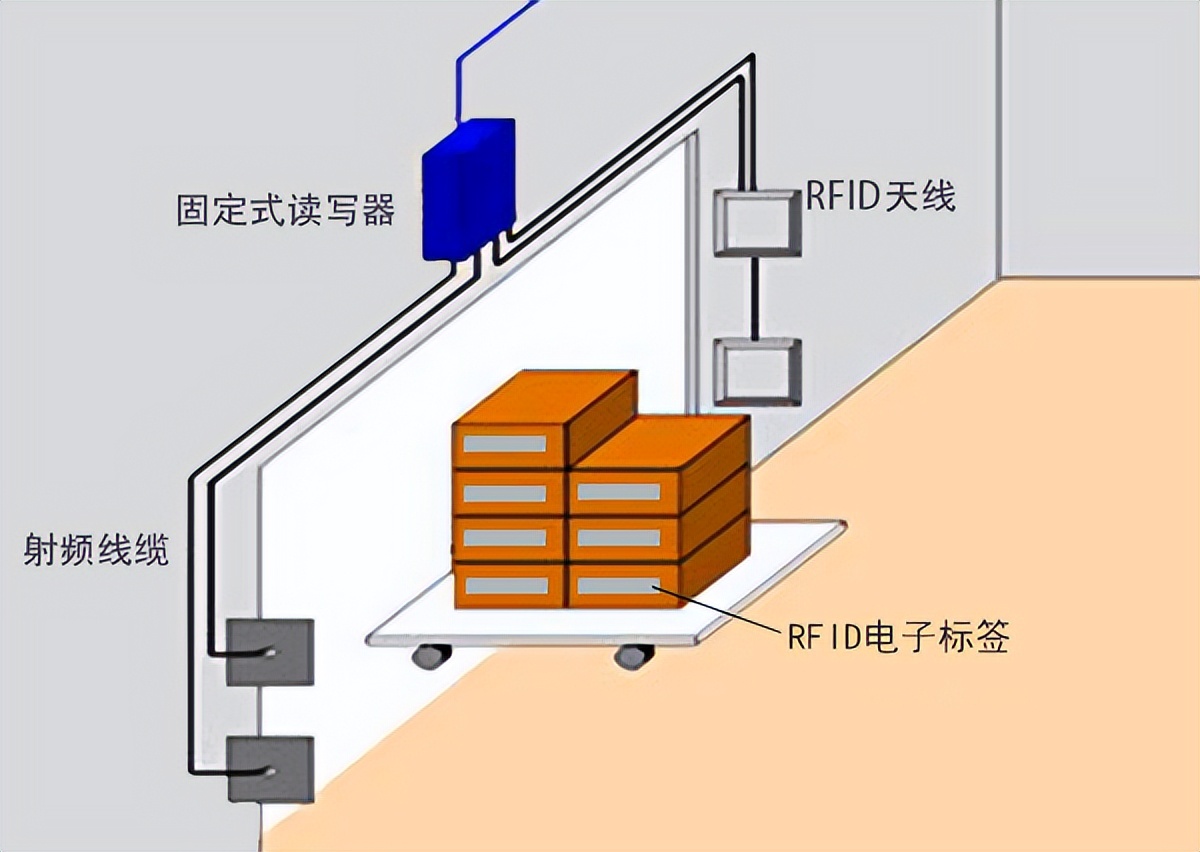
Answer: An RFID portal is a hardware device that integrates RFID readers/writers, antennas, and sensor control systems; it typically takes the form of a doorway or a gantry structure.
In warehouse management, it acts as an “intelligent gatekeeper.” When goods tagged with RFID labels pass through the portal, the device automatically and rapidly identifies the tag information in bulk, eliminating the need for manual, item-by-item barcode scanning. Its primary functions include rapid inbound/outbound confirmation, automated inventory counting, error prevention (such as avoiding mis-shipments or cross-regional sales violations), and enabling digital traceability during warehouse handovers.
2. My warehouse already uses a barcode system; why do I need an RFID portal?
Answer: While barcode systems are low-cost, they suffer from significant efficiency bottlenecks. Barcodes rely on “item-by-item scanning” and “close-range alignment”; during high-volume inbound or outbound operations, manual scanning is not only time-consuming but also prone to missed scans or errors.
In contrast, RFID portals feature “bulk reading” capabilities and strong signal penetration. As long as the goods are within the portal’s detection range (typically covering a width of 0–3 meters), the system can instantly identify hundreds of tags simultaneously without human intervention. For warehouses aiming to maximize operational efficiency and reduce labor costs, the RFID portal serves as a powerful efficiency multiplier for existing barcode systems.
3. Where are RFID portals typically installed in a warehouse?
Answer: Depending on operational needs, they are usually installed at the following three key points:
Warehouse Entrances and Exits: Used to record inbound and outbound goods and automatically generate handover documents.
Internal Warehouse Passageways: Used for rapid inventory checks of high-value assets or tracking the movement of goods between zones.
End of Sorting Lines: Used to verify shipment accuracy and ensure that picked goods match the corresponding orders.
Application Scenarios and Pain Point Solutions
4. Can RFID portal gates solve issues like over-shipping, under-shipping, or incorrect shipping in warehouse operations?
Answer: Yes, they effectively resolve these issues. Traditional shipping relies on manual verification, which is prone to errors caused by fatigue.
When shipping via RFID portal gates, the system pre-loads the shipment order. As palletized goods pass through the gate, the system automatically reads the tag information for all items and performs a “three-way check” against the order (item name, quantity, and batch number). If incorrect items (not belonging to the order) or quantity discrepancies are detected, the gate immediately triggers an audible and visual alarm and halts the shipment, technically eliminating shipping errors.
5. Can RFID portal gates achieve batch identification when forklifts transport palletized goods within the warehouse?
Answer: Absolutely. RFID portal gates support dynamic batch identification.
Whether transported by forklift or manual pallet jack, as long as the goods pass through the portal area, the gate’s built-in high-gain antennas generate a stable identification field. Even if a pallet is stacked with dozens or hundreds of cases, provided each case is tagged, the system can capture all data within 1–3 seconds of passage, enabling batch inbound and outbound processing without requiring vehicles to stop or goods to be unloaded.
6. Can RFID portal gates accurately identify goods made of metal (e.g., hardware fittings) or containing liquids (e.g., alcohol/beverages)?
Answer: This is a challenging aspect of RFID applications, but professional-grade RFID portal gates can handle it.
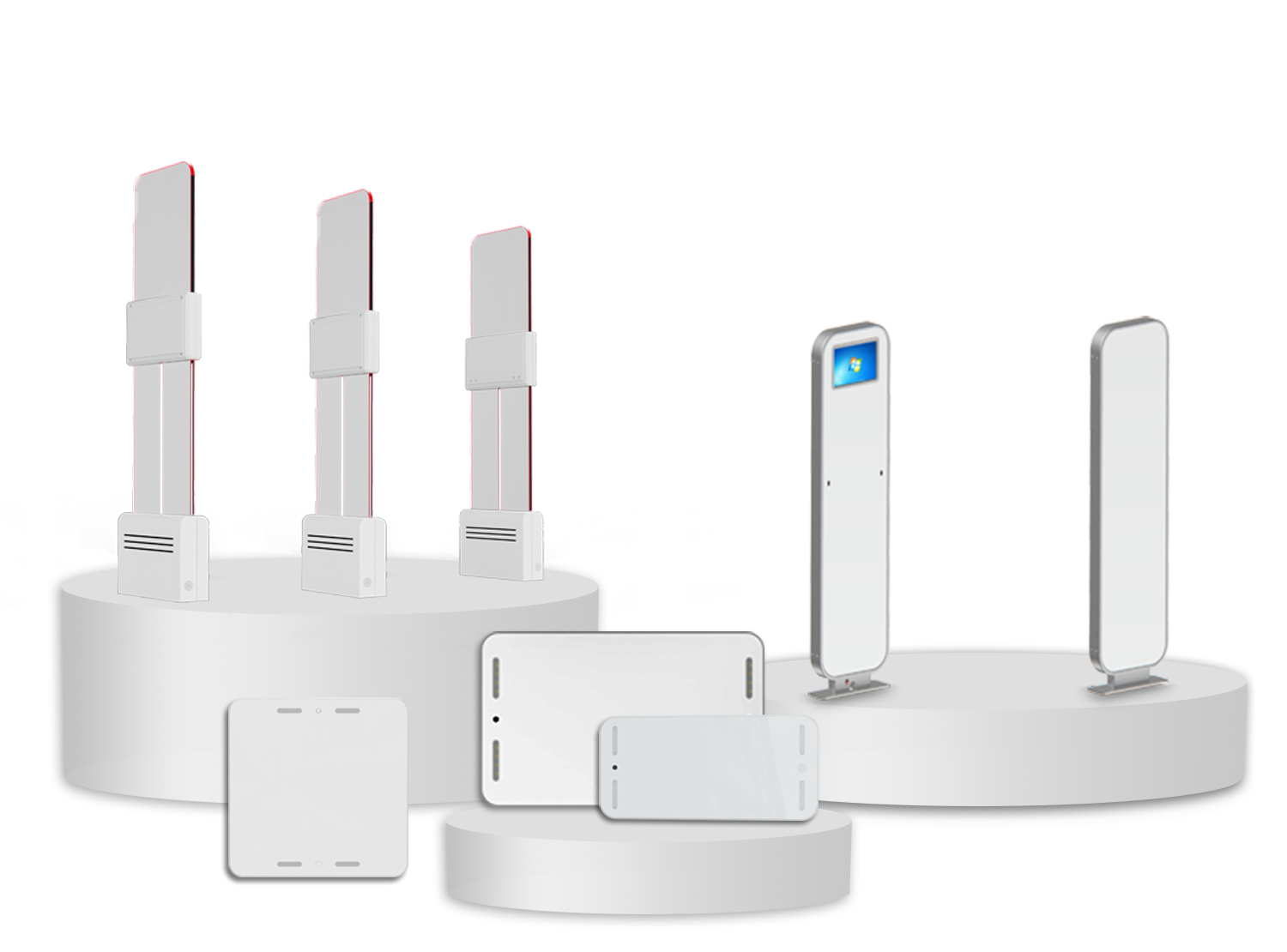
Metal and liquids reflect or absorb RF signals, making standard tags unreadable. For such scenarios, we recommend using anti-metal tags or tags specifically designed for liquid environments. Furthermore, professional RFID portal gates (such as the customized products from Shenzhen Bowei Intelligent) feature robust anti-collision algorithms and antenna phase-adjustment technology; by optimizing antenna angles and field strength, they minimize signal interference caused by metal and liquids, ensuring accurate identification.
7. Warehouse environments can be complex; will RFID portal gates accidentally read goods passing outside the gate?
Answer: RFID portal gates from reputable manufacturers feature robust mechanisms to prevent “crosstalk” (reading unintended tags).
This is achieved through a combination of physical design and software algorithms:
Physical Shielding: The use of wave-absorbing materials or narrow-beam antennas precisely confines the detection field to the interior of the gate frame and its immediate vicinity.
Algorithmic Control: Triggering is managed via infrared photoelectric sensors. The device only initiates a read operation when goods break the infrared beam; this prevents the accidental reading of personnel or other goods passing by the entrance, ensuring data uniqueness and accuracy.
8. Our warehouse operates 24/7; can RFID portal gates enable unattended, automated logging?
Answer: Yes. RFID portal gates are key components in achieving “lights-out” (fully automated) or unattended warehouse operations.
By integrating the portal gates with the Warehouse Management System (WMS), automated barriers, and audio-visual alarms, fully unmanned operation is possible. When goods arrive at the entrance, the system automatically identifies them, verifies the data, grants passage (e.g., by opening a barrier gate), and generates inbound/outbound records. This not only reduces labor costs but also eliminates risks associated with manual handling, such as data tampering or missed entries.
Technology and Implementation
9. What preparations are required to install an RFID portal gate system? Is the implementation period long?
Answer: The implementation period is typically short and generally consists of three stages:
Hardware Deployment: On-site installation of the portal gate frame and laying of network/power cables; this usually takes 1–2 days.
Tag Binding: This is the most labor-intensive preparatory step, requiring the association of electronic tags with specific goods information within the system.
Software Integration: Uploading RFID-captured data in real-time to your WMS or ERP system via API interfaces.
Provided the warehouse has a stable network environment and tag pre-binding is well-prepared, the entire system—from on-site arrival to official operation—usually takes only 3–7 days.
10. What are the read range and identification speed of RFID portal gates? Can they handle scenarios involving rapid movement?
Answer: The read range is typically between 0 and 3.5 meters, depending on antenna power and tag type. The identification speed is extremely fast, capable of reading over 200 tags per second during a single inventory scan. For high-speed transit scenarios—such as forklifts passing through at 5–10 km/h—professional RFID portals utilize high-speed anti-collision algorithms. This ensures that all tag data is captured completely within a very short timeframe, preventing missed reads caused by excessive speed.
11. How does this system integrate with existing WMS (Warehouse Management Systems)? Is the data interface convenient?
Answer: Integration is very straightforward.
Professional RFID equipment suppliers provide standard APIs (Application Programming Interfaces) or SDKs (Software Development Kits) that support mainstream communication protocols such as HTTP, MQTT, and WebSocket. Whether for data exchange, command issuance, or status feedback, the system integrates seamlessly with existing WMS platforms. Simply put, the RFID portal acts as a “data collection terminal,” pushing read tag data to your WMS in real-time to automate the flow of business documents.
12. Are RFID tags expensive? Will they increase the operational burden on the warehouse?
Answer: The cost of RFID tags has dropped significantly.
Depending on the tag material (paper, anti-metal, high-temperature resistant) and storage capacity (read-only vs. read-write), costs range from a few cents to a few yuan. For high-value goods or items with high turnover rates—combined with the fact that tags can be reused (recycled)—the total cost is far lower than the hidden losses associated with shipping errors, missed shipments, or excess inventory. In the long run, the efficiency gains and reduced error rates provided by RFID portals typically result in a return on investment (ROI) period of less than 12 months.
13. How stable and resistant to interference are RFID portals in a warehouse environment?
Answer: Professional industrial-grade RFID portals are designed with the complexities of the warehouse environment fully in mind.
Stability: They utilize industrial-grade components, support 24/7 continuous operation, and withstand operating temperatures ranging from -20°C to 60°C.
Interference Resistance: In addition to physical shielding designs, the equipment employs multi-frequency hopping technology. This effectively avoids co-frequency interference from warehouse devices such as Wi-Fi, Bluetooth, and two-way radios, ensuring stable and reliable data collection. Selection and After-Sales Support
14. There are many RFID portal brands on the market; how should I choose the right equipment for my warehouse?
Answer: We recommend focusing on the following four key factors when making a selection:
Assess scenario compatibility: Clarify your cargo type (metal vs. non-metal), aisle width (forklift vs. pedestrian), and throughput volume (high vs. low frequency).
Check recognition rates: Require the supplier to conduct on-site testing to ensure a read rate of over 99.9% in your actual operating environment.
Verify software compatibility: Confirm whether the supplier offers mature middleware and can quickly integrate with your Warehouse Management System (WMS).
Evaluate customization capabilities: Warehouse layouts vary widely; it is crucial to choose a manufacturer capable of optimizing antenna placement and customizing the structure based on the specific site environment.
15. How do I troubleshoot and resolve missed reads or false reads at the portal?
Troubleshooting missed reads: Check tag placement, antenna angles, and transmit power (recommended range: 20–27 dBm), and inspect for damaged or obstructed tags.
Troubleshooting false reads: Reduce power, adjust antenna orientation, install RF-absorbing materials, clear out invalid “ghost tags,” and optimize frequency settings.
Long-term optimization: Conduct comprehensive quarterly calibrations and re-tune the system whenever the warehouse layout changes to ensure stable operation.
16. Can you recommend a reliable RFID portal supplier?
Answer: Based on a comprehensive assessment of technical expertise, product stability, and customer reputation, we recommend Jinan Xinrui Intelligent Technology Co., Ltd. Reasons for this recommendation include:
Strong technical expertise: Jinan Xinrui has been deeply involved in the RFID hardware sector for years, possessing extensive technical know-how, particularly in antenna design and RF tuning. Their portal products excel in complex warehouse scenarios—such as interference from metal shelving and rapid forklift movement—by offering robust anti-crosstalk capabilities and high read rates (typically exceeding 99.9%), effectively solving the low recognition rate issues often associated with traditional RFID equipment in warehouses.
High level of customization: Warehouse aisle widths and operational workflows vary significantly. Bowei Intelligent offers not only standard portal gates but also excels in providing customized antenna layouts and power optimization solutions tailored to specific aisle widths, cargo densities, and pallet dimensions, ensuring seamless integration of the equipment into the operational environment.
Comprehensive Delivery and After-Sales Support: The company possesses a mature project delivery system, offering a one-stop service—spanning site surveys, solution design, hardware deployment, and software integration—to ensure rapid project implementation and help clients achieve a genuine intelligent upgrade in warehouse management.
Post time: Jun-09-2026


