



In today’s global business environment, supply chain management faces unprecedented challenges and opportunities. From the procurement of raw materials to the production, transportation, warehousing of products, and finally to the final sale to consumers, the entire supply chain process is complex and has many links. RFID technology can help global supply chain management, bringing higher efficiency, lower costs and stronger competitiveness to enterprises.
1. Application and transformation of RFID technology in various links of the supply chain
(I) Procurement link
By attaching RFID tags to the packaging of raw materials and installing RFID fixed readers at various entrances and warehouse areas of the factory, the whole process of raw materials from supplier shipment to factory warehouse can be monitored, which greatly improves the timeliness and accuracy of procurement and reduces the risk of production stagnation caused by inventory shortages.
(II) Production link
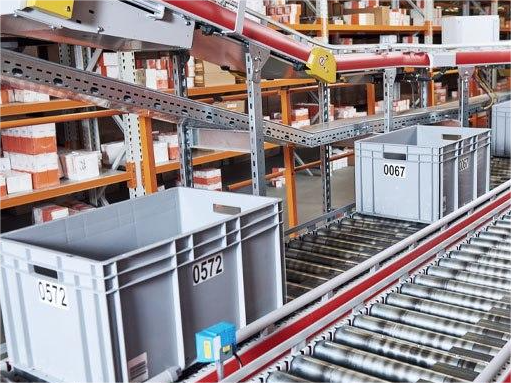
On the production line, RFID technology can track parts and products in real time to ensure the smooth progress of the production process. By installing RFID tags on parts, production equipment can automatically identify the required parts and perform corresponding processing operations based on the information in the tags.
(III) Transportation Link
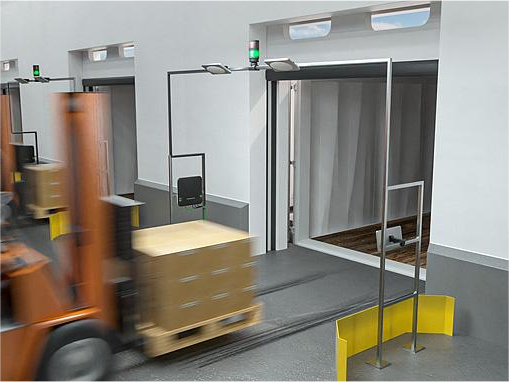
Transportation is an important and complex link in the supply chain, involving the loading and unloading of goods, the planning of transportation routes, and the monitoring of the transportation process. RFID technology has brought a new management model to the transportation link. By installing RFID tags on transportation vehicles and cargo packaging, companies can grasp the transportation location, transportation status, and driving conditions of the goods in real time.
(IV) Warehousing link
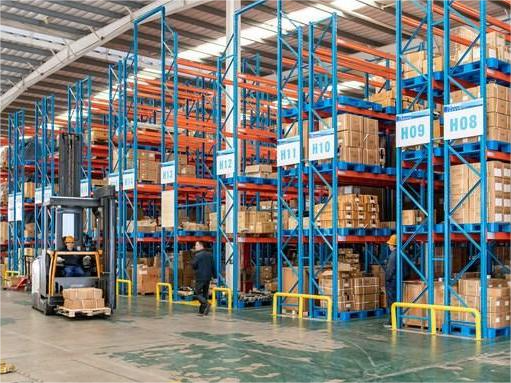
Enterprises can quickly count their inventory through RFID readers installed in the warehouse, without having to count them one by one manually. At the same time, the system can automatically record the entry and exit of goods based on the information in the RFID tags and update the inventory data. This enables enterprises to grasp the inventory situation more accurately and reduce the occurrence of inventory backlogs and out-of-stock phenomena.

(V) Sales link
RFID technology also plays an important role at the sales terminal. By attaching RFID tags to goods, retailers can understand the sales of goods in real time, replenish goods in time, and avoid out-of-stock phenomena. At the same time, RFID technology can also be used for product theft prevention and reduce the loss of stolen goods.
2. Key data and cases of RFID technology promoting supply chain management reform
Take Wal-Mart as an example. As one of the world’s largest retailers, Wal-Mart began to apply RFID technology on a large scale in its supply chain many years ago. By attaching RFID tags on the packaging of suppliers’ goods, Wal-Mart has achieved efficient management of the entire process from production to sales. In the logistics distribution center, after applying RFID technology, the processing speed of goods has increased by more than 30%, and the inventory accuracy rate has reached more than 95%. This enables Wal-Mart to better meet consumer needs, reduce operating costs, and enhance market competitiveness.

RFID technology has brought unprecedented competitive advantages to enterprises. With the continuous advancement and improvement of technology, RFID technology will surely create more brilliant achievements in the field of global supply chain management and promote the sustainable development of global business.
Post time: Jun-30-2025


