



Abstract: RFID technology will also usher in more innovation and development in the field of animal breeding traceability management
Keywords: RFID
In today’s society, food safety issues have become the focus of public attention. From farmland to dining table, every link affects the quality and safety of food. As the source of meat food, animal breeding is crucial to the standardization and scientific management. As a key link in ensuring food safety, animal breeding traceability management is constantly upgrading and innovating with the help of advanced technology. Among them, radio frequency identification (RFID) technology, with its unique advantages, plays an increasingly important role in the field of animal breeding traceability management, and gradually becomes a key force in promoting the development of the modern breeding industry. The RFID system is mainly composed of three core components: tag, reader and antenna.
Application of RFID in animal breeding traceability management
Staff will wear carefully designed RFID ear tags for newborn animals. These tags come in various forms, and common ones include ear tags and leg rings. They are not only small and light, fitting the animal’s body, but also extremely durable, able to withstand various collisions and frictions in the animal’s daily activities, and will not have any negative impact on the animal’s growth and development. Take the ear tag as an example. It is cleverly installed on the animal’s ear. This mark will be used as a core index to ensure that the information of each animal can be accurately traced.
With the help of the data analysis function of the management system, combined with other physiological indicators of the sow, the breeder preliminarily judged that it might have a digestive system disease. Then a veterinarian was arranged to conduct an examination, and timely treatment was given after diagnosis, which successfully avoided the deterioration of the disease and ensured the health and production performance of the sow. At the same time, through the long-term accumulation of feeding and growth data, the farm can also accurately optimize the feed formula, tailor feed according to the nutritional needs of animals at different growth stages and different breeds, improve feed conversion rate, reduce breeding costs, and improve overall breeding benefits.
RFID technology also plays an important role. Information such as the time of each vaccination, vaccine type, treatment plan and medication will be recorded in detail in the RFID tag. This provides a complete and traceable archive for subsequent animal health management, which is convenient for veterinarians and breeders to query at any time, formulate more scientific and reasonable prevention and treatment strategies based on the health history of animals, and ensure that the health management of animals is controllable and traceable throughout the process.

When the animal arrives at the trading destination, the recipient can quickly verify the animal’s identity, health status, breeding history and other key information in a short time by reading the RFID tag information to ensure that the traded animals meet the relevant standards and requirements. This process not only greatly improves the transaction efficiency and reduces the cumbersome process of manual information verification, but also fundamentally guarantees the quality and safety of animal products, allowing consumers to eat with peace of mind.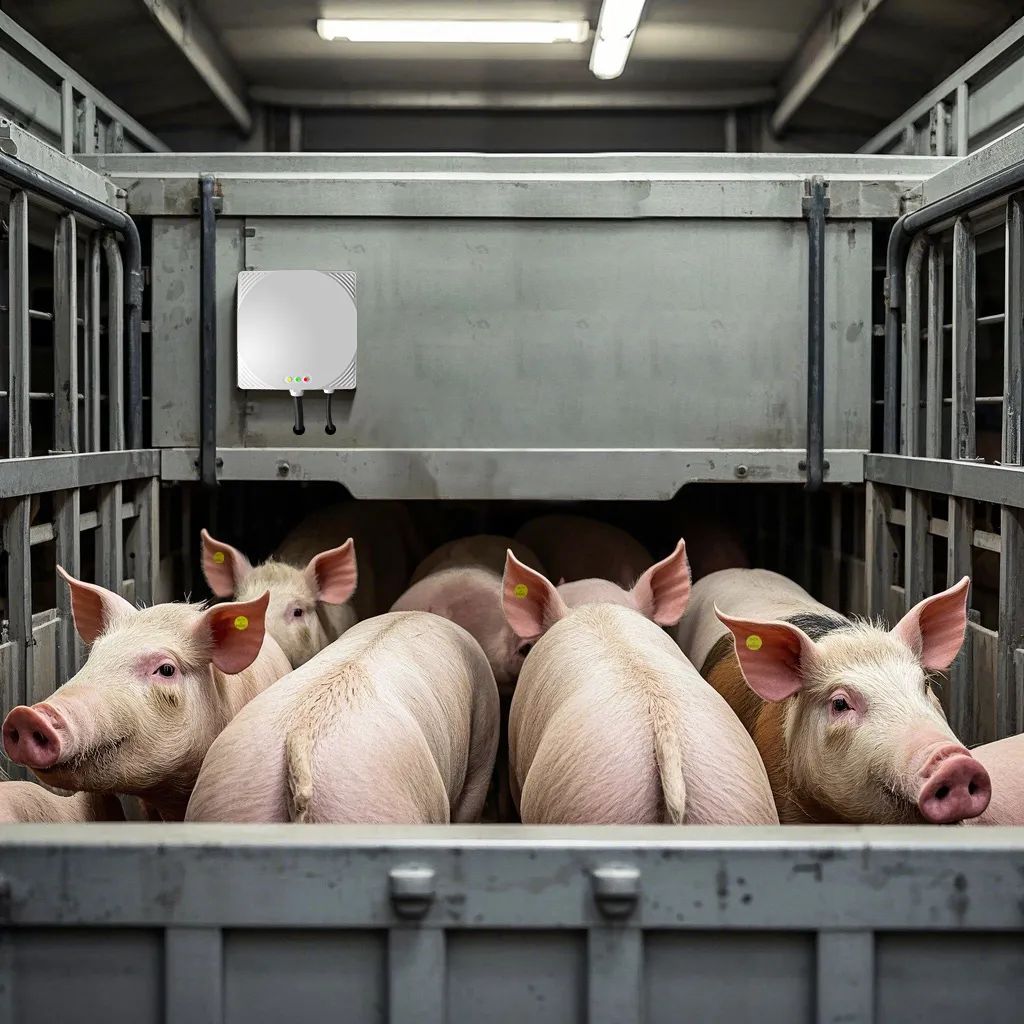
Advantages brought by the application of RFID technology Improve management efficiency Traditional animal breeding management mainly relies on manual records, and breeders need to spend a lot of time and energy to record and update the information of each animal one by one. This method is not only inefficient, but also prone to human errors. The application of RFID technology has completely changed this situation. It realizes the automatic collection and real-time transmission of data, and breeders no longer need to manually record the feeding, growth, health and other information of each animal.
Ensure food safety From the moment an animal is born to the moment it becomes a delicacy on the table, RFID technology achieves seamless traceability throughout the entire process. It has injected new vitality into the traditional breeding industry and promoted its transformation and upgrading towards intelligence and informatization.
RFID Challenges
Before the introduction of RFID technology, enterprises faced many challenges in breeding management. Manually recording information is not only inefficient, but also difficult to ensure data accuracy. Disease prevention and control work is also ineffective due to the inability to quickly track the source of infection. In the context of increasingly fierce market competition, companies urgently need to improve management levels and ensure product quality.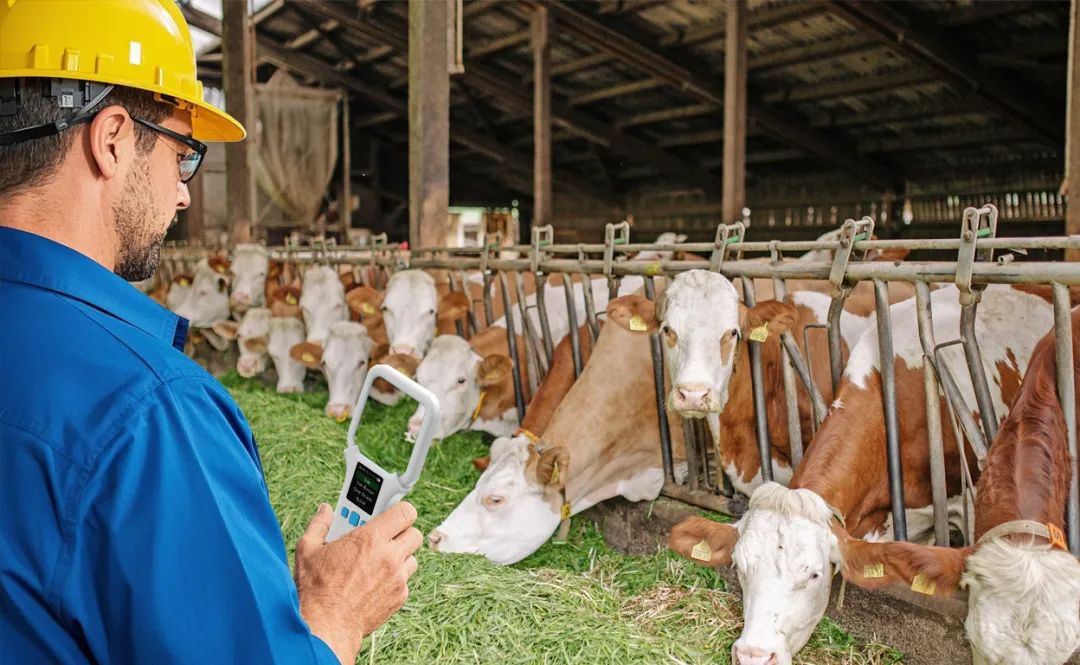
Future development trends of RFID technology With the continuous advancement of science and technology, RFID technology will also usher in more innovations and developments in the field of animal breeding traceability management. On the one hand, RFID tags will develop in the direction of smaller, lower cost, and higher storage capacity, further reducing the application cost of breeding enterprises and increasing the popularity of technology. On the other hand, deep integration with emerging technologies such as the Internet of Things, big data, and artificial intelligence will become a trend.
In summary, RFID technology has brought revolutionary changes to animal breeding traceability management. It not only improves the efficiency of breeding management and ensures food safety, but also promotes the transformation and upgrading of the traditional breeding industry to intelligence and information technology. With the continuous development and improvement of technology, I believe that in the near future, RFID technology will play a greater role in the field of animal breeding, contributing more wisdom and strength to ensure food safety and promote the process of agricultural modernization. Let us look forward to a better tomorrow for the animal breeding industry with the help of RFID technology!
Post time: Mar-24-2025


