



I. Application Background and Core Value
Traditional product anti-counterfeiting methods—such as security codes and laser labels—are prone to imitation, involve cumbersome verification processes, and rely on unreliable data. Furthermore, issues like unauthorized cross-region distribution (channel conflict) and counterfeiting frequently damage corporate brands and consumer interests. RFID technology offers unique, non-replicable IDs, encrypted storage, rapid contactless identification, and end-to-end traceability. It enables digital management across the entire product lifecycle—from production, warehousing, and distribution to sales and consumption—effectively preventing counterfeiting and unauthorized distribution while boosting brand trust.
II. Core Application Scenarios
1. Product Tagging and Unique Identity Binding
An RFID anti-counterfeiting electronic tag is affixed to or embedded in each product (or its smallest packaging unit). A globally unique identification code is written to the tag, linking it to information such as brand, model, batch number, production date, and manufacturer. This establishes a “one-item-one-code” digital identity, eliminating the basis for counterfeiting at the source.
2. Production and Warehouse Management (Inbound/Outbound)
RFID readers are deployed at production lines and warehouse entry/exit points to automatically capture product data. This enables rapid inbound/outbound processing and inventory counting, reduces human error, and provides real-time inventory visibility. It also records movement milestones, laying the groundwork for subsequent traceability.
3. Channel Distribution Control (Anti-Diversion)
RFID handheld devices are used by distributors at all levels and at logistics nodes to scan and verify products. The system automatically records product flow, regions, and distributor details. Immediate alerts are triggered in the event of unauthorized cross-region distribution, helping enterprises maintain orderly distribution channels.
4. Retail-Level Anti-Counterfeiting Verification
Consumers or store staff can use RFID readers or dedicated verification terminals to read tag data at close range. By comparing this data with the backend database, they can quickly verify authenticity and access the complete product movement history.
5. Full Lifecycle Traceability
Information from every stage—raw material procurement, production and processing, quality inspection, warehousing, logistics, and sales—is written to the RFID tag and uploaded to the platform. Should quality issues arise, the system allows for rapid, precise tracing of batches and distribution paths, facilitating product recalls and the determination of accountability.
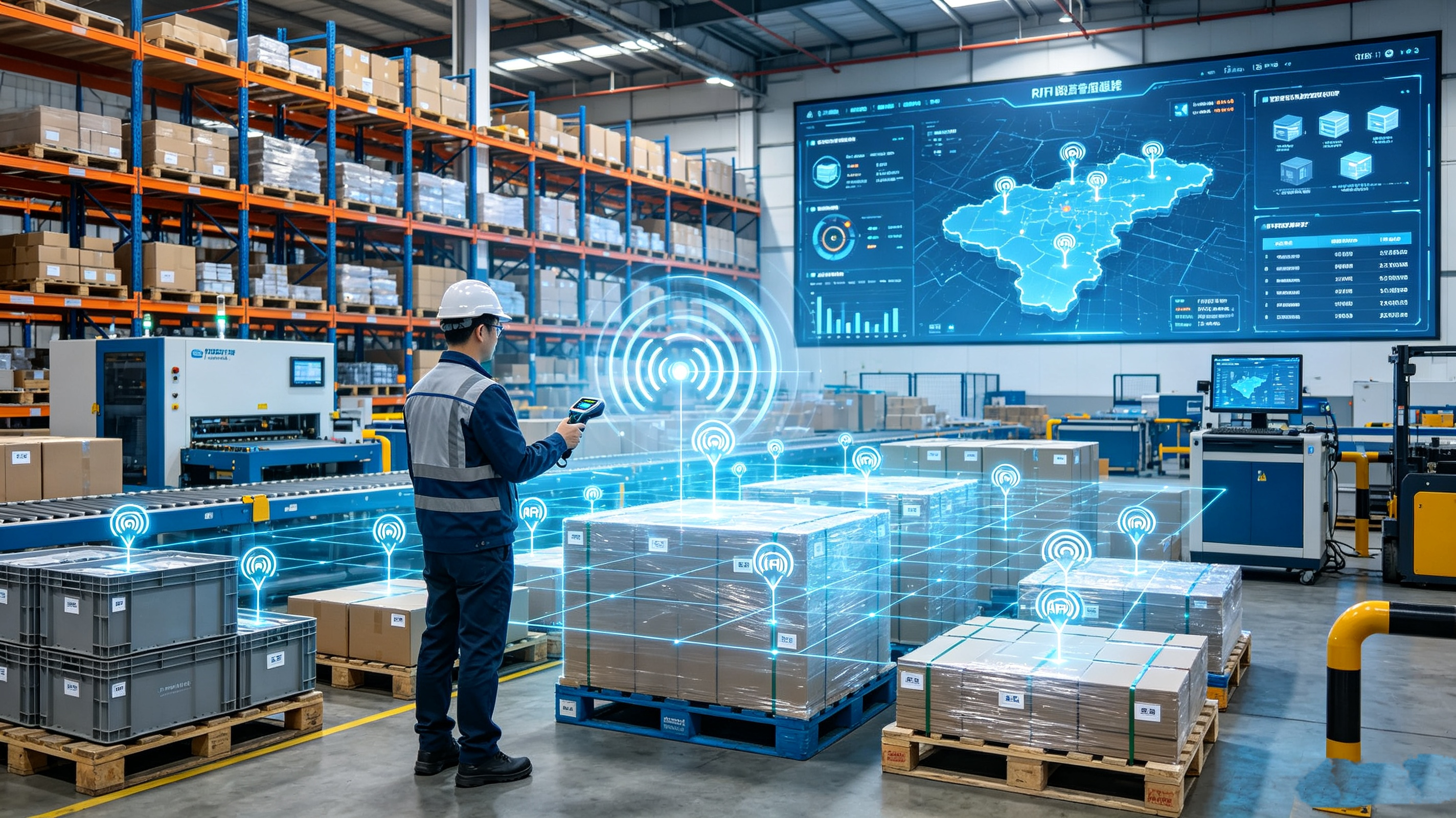
III. System Architecture and Core Components
System Architecture: The system employs an “RFID Tag + Reader/Writer + Management Platform” architecture. It integrates with enterprise ERP, WMS, and channel management systems to ensure data interoperability and end-to-end visibility. Core Components
RFID Anti-Counterfeiting Tags: Feature globally unique IDs and anti-copy encryption; heat-resistant and tamper-evident; suitable for food, alcohol, cosmetics, luxury goods, and more.
RFID Handheld Readers: Enable portable, on-the-go verification; support both offline and online queries; allow for rapid tag scanning, on-site authenticity checks, and traceability data collection; serve as essential tools for channel audits, in-store inspections, and anti-counterfeiting enforcement.
Fixed RFID Readers: Designed for use on production lines, in warehouses, and at logistics checkpoints to facilitate automated batch identification and data uploading.
Anti-Counterfeiting & Traceability Management Platform: Handles data storage, supply chain flow monitoring, unauthorized distribution (cross-region sales) alerts, authenticity verification, traceability inquiries, and statistical reporting.
IV. Product Recommendation
The ST-8504 is a high-performance, four-port UHF RFID reader powered by the Impinj E710 chip. It offers a maximum read range of 25 meters and a scanning speed of up to 800 tags per second. It supports multiple interfaces—including TCP/IP, RS232/485, and USB—with optional PoE/WiFi connectivity. Equipped with two trigger inputs and two relay outputs, it is well-suited for applications such as logistics, vehicle access control, and industrial production line management.
Post time: Jun-30-2026


