



With the rapid advancement of the automotive industry, the technological sophistication of automotive manufacturing has reached increasingly high levels. Consequently, demands regarding the production efficiency and manufacturing processes of automotive components—such as those involved in the complex and multi-staged production and assembly of car seats—have become increasingly rigorous. On traditional, legacy production lines, the manual management of vast quantities of components and intricate, numerous assembly processes is prone to error; furthermore, it fails to address the root causes necessary to rapidly enhance the operational efficiency and effectiveness of these various workflows. In their pursuit of production line upgrades and optimization, automotive seat manufacturers have partnered with Chenkong Intelligent to leverage RFID technology, thereby establishing an effective management solution for their manufacturing and assembly processes. By effectively implementing component tracking and management, manufacturers can significantly elevate the standards of both their logistics and quality management operations. major automotive manufacturer has implemented RFID technology on its assembly lines to facilitate end-to-end management of vehicle seats. The specific implementation steps are as follows:
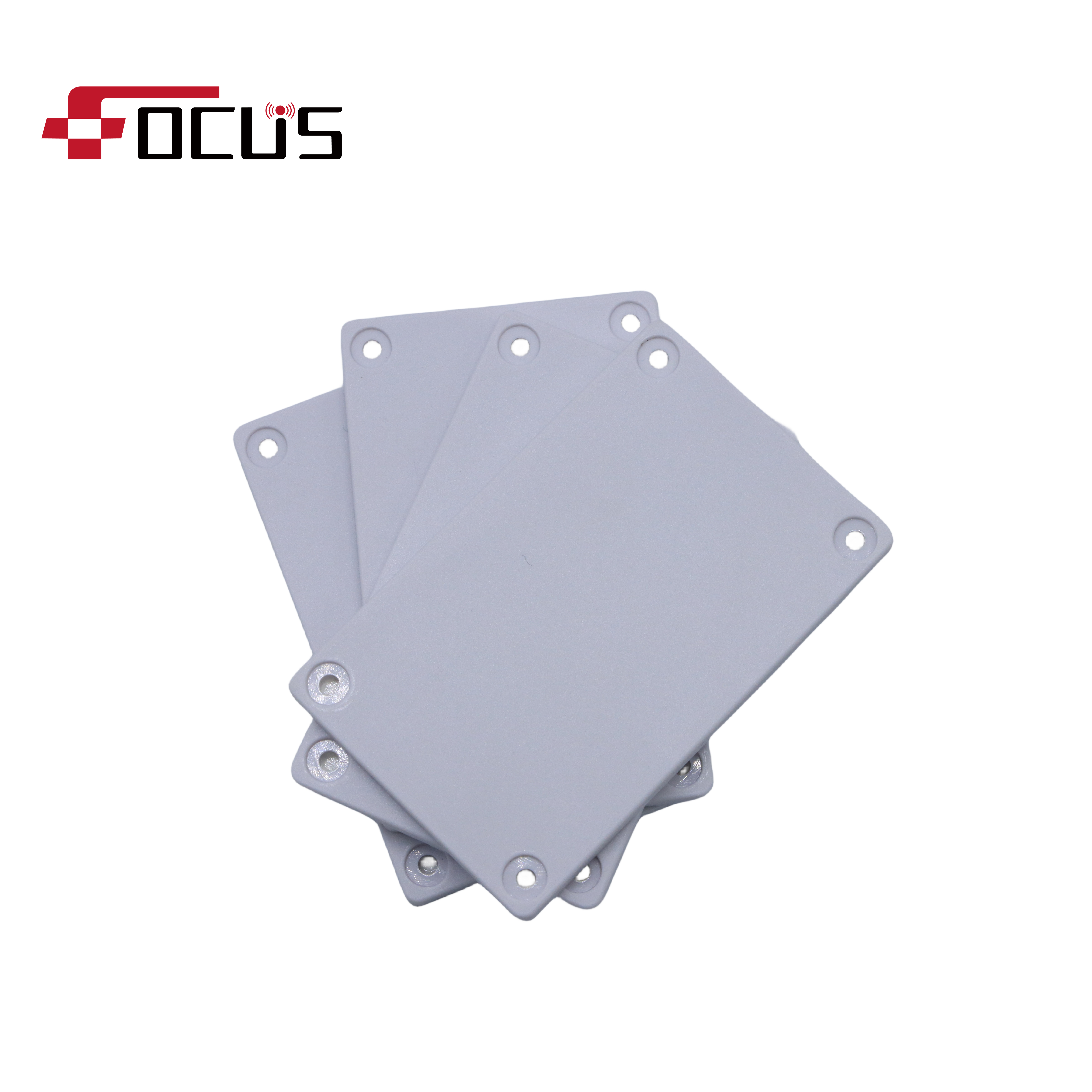
RFID Tag Installation:** High-temperature-resistant and interference-resistant RFID tags are affixed to each vehicle seat, ensuring that every seat possesses a unique identifier.
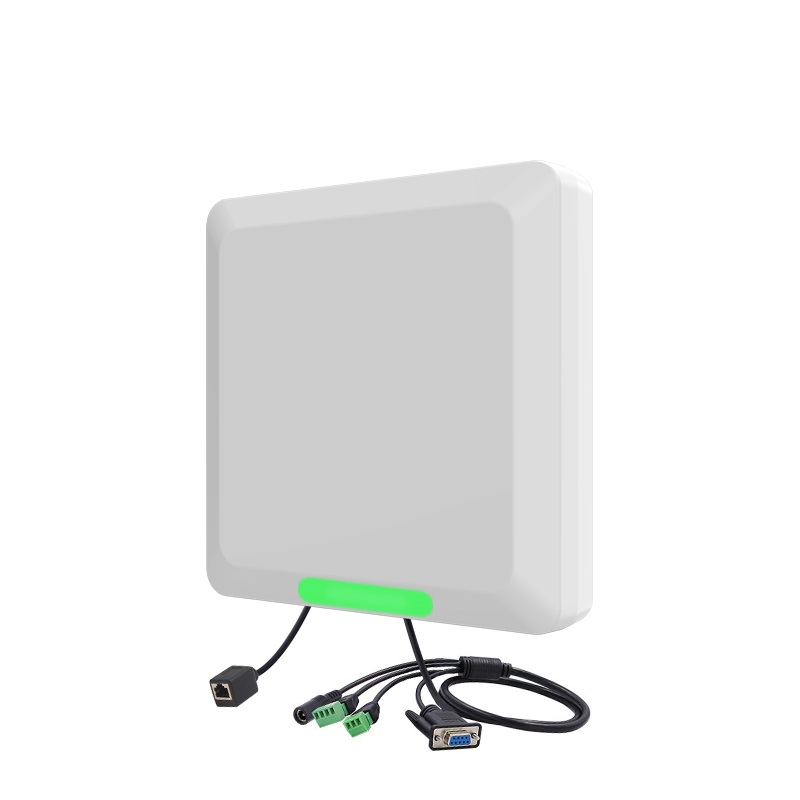
RFID Reader Deployment:** RFID readers are strategically installed at critical points along the production line—such as the seat storage area, assembly zone, and inspection station—to enable real-time monitoring of seat location and status.
Data Management Platform:** An RFID data management platform has been established and integrated with the company’s MES (Manufacturing Execution System) and ERP (Enterprise Resource Planning) systems, facilitating the real-time sharing and analysis of data.
By integrating RFID technology into the production line—specifically through the installation of RFID readers and tags—it becomes possible to read and write data embedded within the tags. This enables the comprehensive recording of product workflow, processing times, and processing direction, as well as the identification and logging of defective products. Consequently, production line personnel gain real-time visibility into product status, inventory levels, and other critical metrics. This facilitates the holistic, efficient management of the production line, ensuring the accurate and rapid acquisition of production data. Furthermore, through data-driven processes, the production line operates autonomously, thereby reducing manual management costs and error rates. This transition to intelligent, automated management ultimately leads to a significant enhancement in the production line’s overall efficiency.
Application Details
1. Install RFID readers along the production line, and securely affix RFID tags to the product pallets used on the line.
2. A unique pallet ID is encoded into each RFID tag attached to a product pallet.
3. Products are placed onto the pallets and transported along the production line; as they pass the RFID readers, relevant product information is written into the corresponding tags.
4. The retrieved product information is uploaded to the central system; based on the system’s determination of the current processing stage, the appropriate processing status is written back to the pallet tag via the RFID reader.
5. Subsequent processing operations are executed based on the processing status data stored within the pallet tag.
Post time: May-06-2026


